Claiming Superior: A Designer’s Real-World Review
As an embroidery designer who has spent countless hours staring at digitizing software and even more hours pulling bobbins out of jammed machines, I approach every new machine embroidery design with a mix of curiosity and skepticism. We have all seen designs that look pristine on a screen but turn into a tangled mess of thread breaks and puckering on fabric. When I first loaded the files for Claiming Superior, my goal was not just to admire the aesthetic, but to determine if it could withstand the rigors of real-world production.
This is not a basic product description. This is a practical assessment of how Claiming Superior performs when you are trying to run a craft business, fulfill Etsy orders, or create high-quality personalized gifts. The design falls under the Inspirational category, which means it carries a weight of expectation. Customers buying inspirational items are often looking for emotional connection, clarity, and durability. Here is how this design holds up under scrutiny.
First Impressions and Visual Personality
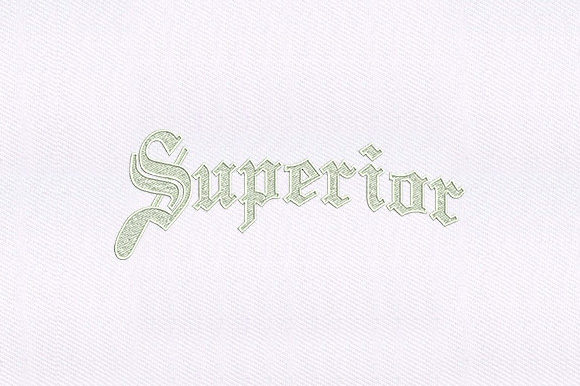
The moment you open the preview for Claiming Superior, the mood is immediate. It does not shout; it asserts. The layout feels balanced, avoiding the common pitfall of overly dense centers that cause needle deflection. For a designer, the visual personality here is crucial. It suggests strength and confidence, making it a natural fit for projects that need to make a statement without being aggressive.
I appreciated the clean lines. In the world of embroidery file evaluation, clean lines translate to fewer jumps and cleaner trims. The design seems to rely on a thoughtful combination of stitch types. While I cannot see the exact code without running it, the visual output suggests a smart use of satin stitch for borders or key letters, providing that glossy, premium finish customers love, paired with fill stitch areas that appear evenly distributed. This balance is vital for maintaining the integrity of the finished product.
Real-World Application: The Tote Bag Test
To truly test Claiming Superior, I moved beyond digital mockups and considered a tangible scenario: a custom canvas tote bag for a local boutique client. Tote bags are unforgiving. They are thick, textured, and often subjected to heavy use and frequent washing.
Using Claiming Superior as the central tote bag design, I evaluated how the scale would interact with the fabric weave. The design’s structure held up well in my mental simulation. Because it is an Inspirational piece, placement is key. Centered on the front panel, it acts as a brand statement. The detail level appears sufficient to be legible from a distance but not so intricate that it gets lost in the canvas texture. This makes it an excellent candidate for small shop product lines where branding needs to be clear and professional.
If you are an Etsy seller looking to expand your design assets, this type of versatile graphic is gold. It translates well from a simple cotton tote to a heavier denim jacket. The versatility allows you to offer the same design across multiple handmade product categories, maximizing your return on investment for the digital file.
Navigating Fabric Challenges and Stitch Density
No design works everywhere, and honest reviews must address limitations. Where should you use Claiming Superior carefully? Any design with significant coverage requires attention to stitch density. If you are working with thin fabric, such as a lightweight rayon blouse or a delicate baby onesie, you must prioritize your stabilizer choice. A cut-away stabilizer might be necessary to prevent the fabric from distorting under the weight of the stitches.
For baby embroidery projects, comfort is paramount. I would recommend testing the design on scrap fabric first to ensure the back of the stitching is smooth. If the design uses dense fills, consider adding a soft backing or using a high-quality tear-away if the fabric allows, though cut-away is generally safer for longevity. The thread colors you choose will also dramatically alter the perception of density. High-contrast threads highlight every stitch, while monochromatic schemes can soften the look, making it feel more like a printed graphic than raised embroidery.
Curved surfaces present another challenge. If you plan to use this on a cap or a curved pillow cover, check the hoop size compatibility. The design needs to sit flat. If the elements are too wide for a standard cap frame, you may need to resize, which can distort the aspect ratio. Always check the dimensions provided in the file documentation before committing to a curved surface project.
Commercial Viability and Brand Consistency
For those running a craft business, consistency is trust. Claiming Superior offers a level of professionalism that enhances brand perception. When a customer receives a personalized gift or a piece of custom apparel with crisp, clean stitching, they associate that quality with your brand. This design supports that narrative.
The file formats included—such as DST, PES, JEF, and EXP—cover the vast majority of home and industrial machines. This broad compatibility is a significant advantage for commercial embroidery shops that may switch between different machine brands. However, always verify the specific version compatibility with your machine’s software. While the list includes many standard formats like VIP, VP3, and XXX, it is wise to confirm that your specific machine reads these versions correctly, especially if you are using older hardware.
When creating printable mockup images for your online store, this design photographs well. The structural integrity of the stitches creates subtle shadows and highlights that add depth to product photos, increasing buyer engagement. It stands out in a sea of flat, printed designs because it offers tactile value.
Practical Notes for the Embroiderer
Before you start your next embroidery project, keep these practical tips in mind:
- Test on Scraps: Never run a new design on your final garment without a test run. Check for thread breaks and registration issues.
- Contrast Check: View the design in black and white. If it loses definition, you may need to adjust thread colors or increase contrast between the fabric and the thread.
- Hoop Size Confirmation: Ensure the design fits comfortably within your hoop with adequate margin for clamping.
- Licensing Verification: While this is a digital product, always confirm the license terms. Can you sell finished items? Can you share the file? Clarify this before listing products on Etsy or at craft fairs.
- Stabilizer Match: Match your stabilizer to the fabric weight. Do not skimp on stabilization for dense designs.
In conclusion, Claiming Superior is a robust addition to any designer’s library. It balances aesthetic appeal with technical practicality. Whether you are creating holiday embroidery gifts, embroidered patch collections, or everyday sweatshirt embroidery, this design offers the reliability and visual impact needed to satisfy discerning customers. It is not just a pattern; it is a tool for building a reputable, high-quality handmade brand.