Cuddly Teddy Bear Sketch: A Designer’s Review
As an embroidery designer who has spent years digitizing files for small businesses, I approach every new machine embroidery design with a critical eye. It is not enough for a design to look cute on a screen; it must perform flawlessly under the needle when applied to real-world merchandise. Recently, I evaluated the Cuddly Teddy Bear Sketch, a digital file that promises a fun and easy stitching experience. For boutique owners, Etsy sellers, and apparel decorators, understanding how this specific asset translates from a digital embroidery file to a tangible product is crucial for maintaining brand integrity and production efficiency.
First Impressions and Visual Personality
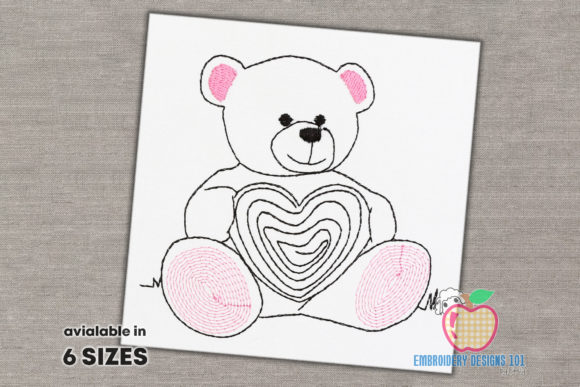
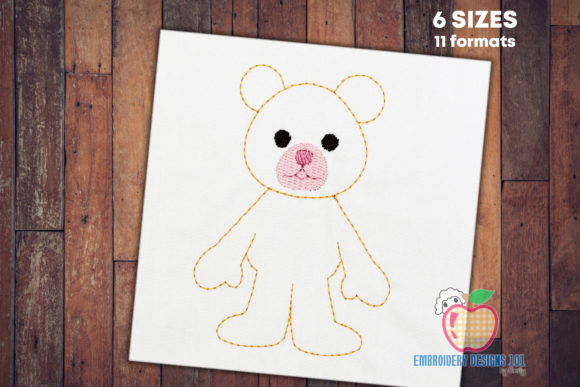
The immediate appeal of the Cuddly Teddy Bear Sketch lies in its aesthetic approach. Unlike heavily filled, solid designs that can feel rigid or overly corporate, this sketch style offers a hand-drawn, organic quality. This visual personality is essential for brands aiming to project warmth, approachability, and artisanal care. In the context of Wild Animals within Embroidery, teddy bears are a classic motif, but the "sketch" execution modernizes the concept. It feels less like a cartoon character and more like a thoughtful illustration, which elevates the perceived value of the finished product.
For a small business owner, this distinction matters. A sketched outline suggests creativity and uniqueness, aligning perfectly with handmade brands, creative studios, or local bakeries that want to avoid looking mass-produced. The design does not scream for attention with bold, aggressive lines; instead, it invites closer inspection, fostering a sense of intimacy between the brand and the customer.
Performance in Real Business Applications
When considering small business merch, versatility is key. I tested the potential applications of this design across various common items used in commercial settings. The description notes that the design comes in multiple sizes, which is a significant advantage for scaling. Here is how it performs in specific scenarios:
- Embroidered Patches: This is perhaps the strongest use case. The open, sketched nature of the design allows the background fabric to show through, creating a lightweight patch that does not feel stiff or cardboard-like. It works beautifully on denim jackets or canvas tote bags.
- Apron Embroidery: For cafes and florists, staff aprons are moving billboards. The Cuddly Teddy Bear Sketch adds a touch of whimsy without overwhelming the uniform. It suggests a friendly, family-oriented atmosphere.
- Tote Bag Design: Canvas textures can be challenging for dense embroidery. Since these designs are not 100% filled, they sit well on textured fabrics without causing puckering, making them ideal for eco-friendly shopping bags sold at boutiques.
- Cap Embroidery: While possible, this requires careful placement. The curved surface of a cap front demands a design that is not too wide. The smaller sizes included in the package would be necessary here to maintain proportion.
For custom apparel such as children’s clothing or pet brand merchandise, this design serves as an excellent chest logo accent or sleeve detail. It enhances the garment without dominating it, allowing the quality of the fabric and cut to remain the focus.
Technical Considerations and Stitch Density
From a technical standpoint, the note that "these are not 100 filled so the fabric" shows through is a double-edged sword that requires professional management. On one hand, lower stitch density means faster production times and less thread consumption, which improves profit margins for commercial embroidery projects. On the other hand, it exposes the underlying material.
If you are stitching on dark uniforms or high-contrast fabrics, you must ensure your thread colors provide sufficient visibility. A light thread on a dark shirt might get lost if the lines are too thin. Conversely, on light fabrics, the shadow of the fabric beneath the stitches can add depth, enhancing the sketched effect. Always test the design on your specific material before running a full batch. The interaction between the stitch density and fabric texture will determine the final clarity of the image.
Additionally, because the design relies on outlines rather than solid fills, any distortion during hooping will be immediately visible. Proper use of a stabilizer is non-negotiable. I recommend using a cut-away stabilizer for garments that will undergo frequent washing, as it provides long-term support to the stitches and prevents the sketch lines from warping over time.
Brand Identity and Customer Trust
Incorporating the Cuddly Teddy Bear Sketch into your product line does more than just decorate an item; it reinforces your brand identity. Consistency in visual assets builds trust. If your brand voice is playful, nurturing, or rustic, this design acts as a visual anchor. Customers recognize the style across different touchpoints, whether it is on a printable mockup seen online or the actual handmade product received in the mail.
For Etsy sellers and crafters, using high-quality, well-digitized files signals professionalism. Sloppy stitching or poorly scaled designs can deter buyers. By choosing a design that is explicitly described as "easy to stitch," you reduce the risk of production errors, ensuring that every item you ship meets a high standard of quality. This reliability translates directly into positive reviews and repeat business.
Practical Designer Notes for Implementation
Before integrating this asset into your workflow, consider the following steps to ensure optimal results:
- Test in Black and White: Before committing to colored threads, stitch the design in black thread on white fabric. This helps you evaluate the clarity of the lines and the spacing between elements without the distraction of color.
- Check Small Patch Sizes: Verify the smallest size included in the package. If the lines become too thin or close together at small scales, the machine may struggle, leading to thread breaks or bird nests. Ensure the minimum size is viable for your intended application, such as a small label or tag.
- Review Hoop Size Compatibility: Confirm that the largest size fits within your standard hoop. While the description mentions multiple sizes, always cross-reference with your machine’s capabilities to avoid re-hooping mid-design.
- Create a Mockup: Use the provided images to create a printable mockup or digital composite for client approval. This manages expectations and ensures the client understands the sketched, open nature of the design.
- Confirm Licensing: Always verify the commercial license terms associated with the design assets. Ensure you have the right to use the file for physical goods sold in your store or online.
The Cuddly Teddy Bear Sketch is a versatile tool for the modern embroidery business. It bridges the gap between playful charm and professional execution. By understanding its technical requirements and leveraging its aesthetic strengths, you can create memorable merchandise that resonates with your audience. Whether used for a local bakery’s aprons or a pet brand’s tote bags, this design offers a reliable, stylish solution for enhancing your small business merch lineup.