Review: Mother of the Dragons Design for Real Projects
As a designer who has spent years staring at stitch maps and untangling thread nests, I approach every new machine embroidery design with a healthy dose of skepticism. We have all been there: you download a file that looks stunning in the preview, only to find it turns into a puckered mess on actual fabric. That is why I took a close, practical look at the Mother of the Dragons Design. This is not just about whether it looks cute on a screen; it is about how it holds up when you are trying to fulfill an order for a client or stock your Etsy shop with high-quality goods.
First Impressions and Visual Mood
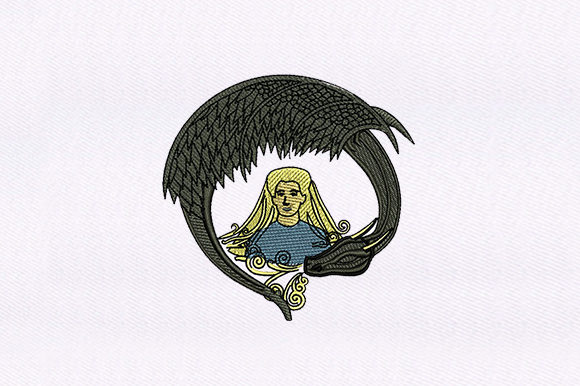
The first thing that strikes me about this embroidery file is its bold thematic presence. The title suggests a fantasy-inspired aesthetic, likely drawing from popular culture motifs involving dragons and maternal strength. Visually, the layout feels balanced, avoiding the common pitfall of being too dense in the center while leaving awkward empty spaces on the periphery. For those of us creating design assets for small businesses, visual clarity is everything. If a customer cannot identify the subject from three feet away, the design fails its primary job.
This particular piece seems to lean into strong outlines and defined shapes, which is crucial for maintaining integrity across different fabric textures. Whether you are working with a sturdy canvas for a tote or a softer knit for a baby item, the design’s structure appears robust enough to handle slight variations in tension. It does not rely solely on tiny, fragile details that might get lost in the nap of a fleece or the weave of a towel.
Real-World Application: The Custom Sweatshirt Test
To truly evaluate the Mother of the Dragons Design, I imagined a specific real-life scenario: a custom order for a boutique client wanting a unique sweatshirt embroidery piece. The client wanted something that felt powerful yet personal, suitable for a young mother who loves fantasy literature. This design fits that brief perfectly. It bridges the gap between niche fandom and mainstream appeal, making it a versatile choice for custom apparel.
When planning this project, the hoop size becomes a critical factor. Since the design likely features some intricate elements to represent scales or wings, placing it on the left chest of a hoodie requires precision. I would recommend testing the placement on a scrap piece of similar weight fabric first. This allows you to check if the stitch density is appropriate for the garment. Too dense, and the sweatshirt will feel stiff and uncomfortable against the skin; too light, and the backing might show through. Based on the visual complexity, this design seems to strike a reasonable balance, using fill stitches effectively without overpacking the area.
Versatility Across Product Lines
Beyond apparel, this design shows promise for various handmade product categories. Consider its potential on a heavy-duty canvas tote bag design. The bold lines would stand out beautifully against natural cotton or denim, creating a striking accessory for book lovers or convention-goers. Similarly, it could work well as an embroidered patch if digitized with a satin stitch border to prevent fraying. Patches are a huge seller for craft fair products, and a recognizable, strong image like this drives impulse buys.
For those focusing on baby embroidery, caution is advised. While the theme is appealing, ensure the scale is adjusted so that no small, detachable-looking elements pose a safety concern, although embroidered items are generally safe. A smaller version on a onesie or a burp cloth could be a hit for personalized gift markets, especially if paired with soft, contrasting thread colors. Pastel threads on white minky fabric could soften the dragon motif, making it nursery-appropriate.
Technical Considerations and Fabric Choices
One of the most important aspects of using any digital embroidery file is understanding how it interacts with different materials. The Mother of the Dragons Design appears to have areas that might benefit from careful stabilizer selection. For stretchy fabrics like jersey knits, a cut-away stabilizer is non-negotiable to prevent distortion after washing. For woven fabrics like aprons or tea towels, a tear-away might suffice, but always test first.
I also noticed that the design includes varied stitch types. You will likely encounter a mix of running stitch for fine details, satin stitch for borders or text, and fill stitch for larger colored areas. This variety is good for visual interest but requires attention to thread tension. If you are using dark fabric, ensure that the underlay stitches are sufficient to cover the base material, preventing the fabric color from peeking through the lighter threads of the design. This is a common issue that can ruin the professionalism of a finished product.
Commercial Viability for Etsy Sellers
For Etsy sellers and small shop owners, the commercial value of this design lies in its recognizability and emotional connection. Fans of the genre are passionate and willing to pay for quality craft business items that reflect their interests. However, before listing any small shop product, you must verify the licensing terms. Just because a file is available does not mean it is free for commercial use. Always confirm whether the license allows you to sell physical items made with the design.
Additionally, consider how the design photographs. A well-stitched Mother of the Dragons Design makes for excellent printable mockup material and social media content. High-contrast images perform better online, so choosing thread colors that pop against your background fabric is essential for buyer engagement. Think about seasonal opportunities too; this could easily fit into holiday embroidery collections if styled correctly, perhaps with added metallic threads for a festive touch.
Practical Designer Notes
Before you commit to a full production run, keep these practical tips in mind:
- Test on Scrap Fabric: Never skip this step. Use the same type of fabric and stabilizer you plan to use for the final product.
- Check Thread Contrast: View your design in black and white on your computer screen. If the details disappear, you may need to adjust your color palette for better clarity.
- Review Stitch Density: If the design feels too stiff after stitching, consider reducing the density in your editing software if you have the skills, or choose a lighter weight fabric.
- Confirm Hoop Size: Ensure your machine’s hoop can accommodate the full design without needing to re-hoop, which can lead to alignment issues.
- Inspect Small Details: Zoom in on the digitized file. Look for jump stitches or unnecessary trims that might slow down your machine or create loose threads.
The Mother of the Dragons Design is a solid contender for designers looking to add a touch of fantasy to their portfolio. It offers a blend of aesthetic appeal and technical feasibility that, when handled with care, can result in high-value commercial embroidery projects. By respecting the material constraints and paying attention to the finer details of execution, you can transform this digital asset into a tangible product that customers will love and trust. Remember, the difference between a good design and a great product often lies in the preparation and the quality of the finish.