Reviewing Native Nature Art for Boutique Sweatshirts
As an embroidery designer who has spent years digitizing and testing designs for small clothing brands, I approach every new machine embroidery design with a critical eye. It is not just about whether the file runs smoothly; it is about how the final stitched product elevates the brand identity of the client. Recently, I had the opportunity to evaluate Native Nature Art, a digital asset intended for a premium sweatshirt collection. This review breaks down the aesthetic potential, technical considerations, and commercial viability of this piece for boutique owners and Etsy sellers looking to expand their apparel lines.
First Impressions and Aesthetic Mood
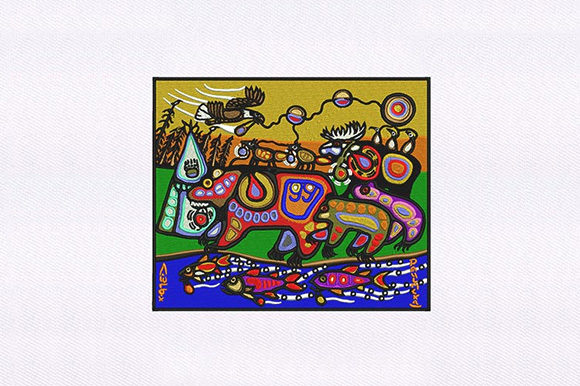
The title Native Nature Art immediately suggests a connection to organic forms, cultural heritage, and perhaps the rich visual traditions associated with Africa. Upon loading the preview, the design presents a balanced layout that feels both rustic and refined. For a boutique brand, this duality is crucial. You want a design that feels handmade and authentic but also polished enough to justify a higher price point. The motif does not scream "casual" in a sloppy way; rather, it leans towards a decorative, artisanal vibe that suits the current trend of cozy, elevated loungewear.
The level of detail appears moderate, which is ideal for sweatshirt embroidery. Overly complex designs can get lost in the pile of fleece or terry cloth, while overly simple ones may look cheap. This design strikes a middle ground, offering enough texture to catch the light and create visual interest without becoming a dense block of thread that stiffens the garment. It feels bold enough for a chest placement yet delicate enough to work as a sleeve accent on an oversized hoodie.
Styling for Different Fabric Bases
When planning a limited drop for a small online shop, versatility is key. I tested the visual impact of Native Nature Art against various fabric backgrounds commonly used in commercial embroidery.
- Neutral Sweatshirts: On heather grey, oatmeal, or sand-colored fabrics, the design pops with a sophisticated, earthy tone. It enhances the natural feel of the garment, making it perfect for customers who prefer minimal, understated luxury.
- Dark Fabrics: Placing this design on black, charcoal, or navy requires careful attention to thread color contrast. The design holds its shape well against dark backgrounds, provided you use high-sheen rayon or polyester threads to differentiate the stitches from the fabric texture.
- Pastel Colors: For a softer, more feminine appeal, pastel pink, mint, or lavender sweatshirts transform the design into something playful and cute. It loses some of the rustic edge but gains a decorative charm that appeals to a younger demographic.
- Oversized Hoodies: The scale of the artwork complements the large canvas of an oversized hoodie. It does not look lost on the broad chest area, maintaining its integrity as a focal point.
Technical Considerations for Production
For any serious embroidery shop or handmade business owner, the technical specs are where the rubber meets the road. Native Nature Art comes as a comprehensive digital embroidery file package, including formats such as 10O, ART, CND, DSB, DST, DSZ, EXP, JEF, PES, TAP, VIP, and VP3. This wide compatibility ensures that whether you are running an older home machine or a multi-needle commercial setup, you can likely find a compatible format.
However, before hitting start, there are critical factors to address:
- Stitch Density and Fabric Thickness: Sweatshirts are thick. If the stitch density is too high, the fabric will pucker, and the hoop marks will be permanent. I recommend testing a sample on your specific blank supplier’s fabric. You may need to adjust pull compensation or use a lighter weight stabilizer if the design is dense.
- Stabilizer Choice: For fleece or heavy cotton blends, a cut-away stabilizer is non-negotiable for durability. Since this is intended for commercial apparel use, the design must withstand repeated washing. A tear-away might suffice for a one-off gift, but for a boutique brand, cut-away ensures the finished product remains professional over time.
- Hoop Size and Placement: Check the dimensions of the design against your available hoop size. For a chest logo, a 4x4 or 5x7 hoop is standard. Ensure the design fits comfortably within the hoop with adequate margin for hooping tension. Misalignment on thick hoodies is a common error that ruins otherwise good merchandise.
- Small-Size Readability: If you plan to offer this as a smaller pocket emblem, verify that the finer details do not merge. Some elements that look crisp at 4 inches may become indistinct at 2 inches. Always run a test stitch-out at the smallest intended size.
Commercial Viability and Brand Identity
Integrating Native Nature Art into your product line does more than just add a pretty picture; it builds brand equity. For an Etsy seller or small shop product lineup, consistency in design language helps with visual recognition. This design, with its implied connection to nature and heritage, can anchor a collection focused on sustainability, mindfulness, or cultural appreciation.
When creating printable mockup previews for your online listings, this design offers excellent photographic potential. The texture of the embroidery interacts beautifully with natural lighting, allowing you to create lifestyle images that convey warmth and quality. High-quality photos of the actual stitched item, rather than just digital renders, build buyer trust. Customers want to see how the thread colors sit on the fabric texture and how the design drapes on the body.
Furthermore, using a unique embroidery file like this distinguishes your custom apparel from mass-produced screen-printed goods. It signals to the customer that care and craftsmanship went into the item. This perceived value allows for higher pricing margins, which is essential for the survival of small creative entrepreneurs.
Final Verdict for Designers
Native Nature Art is a strong contender for boutique sweatshirt projects. It balances aesthetic appeal with practical application. It feels premium without being pretentious, and decorative without being cluttered. For designers focusing on Africa-inspired themes or general nature motifs, it provides a versatile asset that can be adapted across various colorways and garment styles.
Remember, while the file formats provided (including DST, PES, and JEF) cover most machines, always verify the specific stitch count and exact hoop dimensions in the included documentation before starting production. Test on your specific fabric blend, choose the right stabilizer, and prioritize thread color contrast. By treating this design asset with professional care, you can create a standout piece in your handmade product lineup that resonates with customers seeking quality and authenticity in their wardrobe staples.