Reviewing the Chestnut Tree Design for Holiday Collections
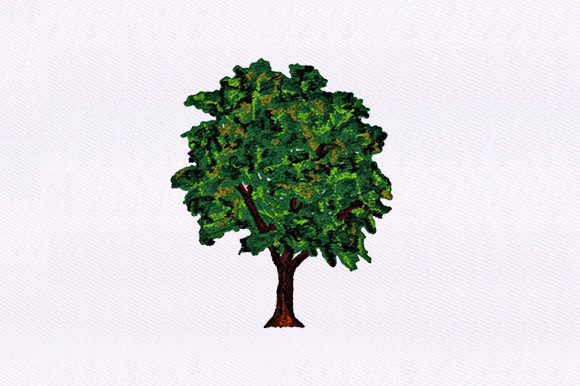
As an embroidery designer who spends countless hours testing files before they ever reach a customer’s hoop, I approach every new machine embroidery design with a critical eye. It is not just about whether the stitches look pretty on screen; it is about how that design performs on real fabric, in real lighting, and most importantly, in the hands of a holiday shopper. Recently, I reviewed the Chestnut Tree Design, a piece categorized under Forest themes, to determine its viability for our upcoming seasonal product line. The initial impression was one of rustic warmth and nostalgic charm, qualities that are essential for standing out in the crowded holiday market.
The Aesthetic Appeal and Seasonal Mood
The first thing that strikes you about the Chestnut Tree Design is its emotional tone. It does not scream for attention with flashy metallics or overly complex shading. Instead, it offers a cozy, grounded presence that feels perfectly suited for autumn and winter collections. The design evokes a sense of nostalgia, reminiscent of family gatherings around a fireplace or walks through crisp, leaf-strewn parks. This makes it an excellent candidate for seasonal embroidery projects that aim to capture the spirit of home and heritage.
From a decorative standpoint, the design balances detail with simplicity. It is intricate enough to showcase the quality of your machine work but not so dense that it becomes stiff or overwhelming on smaller items. For Etsy sellers and small shop owners, this balance is crucial. You want a design that looks premium and thoughtful without requiring hours of stitching time per unit. The Chestnut Tree Design achieves this by focusing on strong silhouettes and organic lines that translate well across various fabric textures.
Practical Applications for Holiday Products
When planning a holiday collection, versatility is key. I tested the potential of this embroidery file across several product categories to see where it would shine brightest. Here is how I envision using this design in a real-world retail scenario:
- Sweatshirt Embroidery: Placed on the left chest or as a larger back print, the design adds a sophisticated touch to neutral-toned hoodies and crewnecks. It appeals to customers looking for understated, nature-inspired apparel.
- Tote Bag Design: Canvas bags are holiday staples for gift-giving. The sturdy structure of canvas supports the stitch density well, making the tree motif pop against natural or dyed fabrics.
- Kitchen Towel Embroidery: For home decor enthusiasts, adding this motif to linen or cotton towels creates an instant heirloom feel. It works beautifully for hostess gifts during Thanksgiving and Christmas dinners.
- Pillow Cover Accents: A central placement on a throw pillow can anchor a living room’s seasonal decor. The organic shapes complement both modern minimalist and rustic farmhouse styles.
- Embroidered Patch: Creating iron-on or sew-on patches allows customers to customize their own jackets or backpacks, adding a layer of interactivity to your product offering.
Each of these applications leverages the design’s ability to convey warmth and tradition. Whether you are creating a handmade gift for a friend or stocking your online store with small shop product inventory, the Chestnut Tree Design provides a consistent visual thread that ties your collection together.
Navigating Technical Challenges and Hoop Constraints
While the design is visually appealing, any experienced embroiderer knows that beauty must be backed by technical precision. There are specific scenarios where the Chestnut Tree Design requires careful handling. First, consider the hoop size. If you are working with smaller hoops, such as 4x4 inches, you may need to scale the design down. However, reducing the size too much can compromise the integrity of finer details, such as the individual leaves or branches. Always check the recommended dimensions provided with the digital embroidery file to ensure clarity.
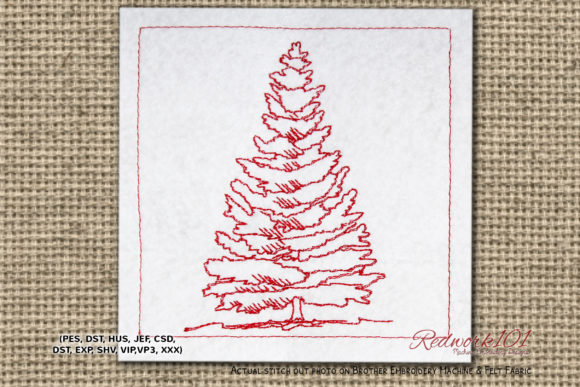
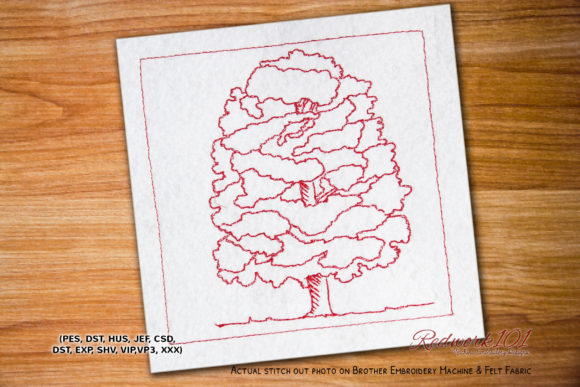
Another critical factor is stitch density. Dense designs can pucker lightweight fabrics or make heavy garments stiff. I recommend testing the design on scrap pieces of the exact fabric you intend to use. For stretchy garments like sweatshirts, using a cut-away stabilizer is non-negotiable to prevent distortion after washing. Additionally, if you plan to use this design on dark fabrics, pay close attention to your thread colors. The description notes that the outer box color is optional and often different from the main design. You can skip this color directly in your software if it does not serve your aesthetic, which simplifies the stitching process and reduces thread breaks.
Be cautious with curved surfaces like caps. The flat nature of the tree motif may not wrap smoothly around a structured cap unless properly digitized for that specific shape. For beginners, sticking to flat items like towels, aprons, and pillow covers will yield the most professional results.
Boosting Sales Through Visual Storytelling
In the competitive landscape of Etsy seller markets, how you present your product is just as important as the product itself. The Chestnut Tree Design lends itself beautifully to lifestyle photography. Imagine a mockup featuring the embroidered tree on a cream-colored tote bag, surrounded by pinecones, dried oranges, and warm lighting. These visuals evoke emotion and help customers imagine the item in their own lives.
Creating realistic printable mockup graphics for your social media previews can significantly increase engagement. Highlight the texture of the stitches and the quality of the thread. When customers see the tangible quality of the finished product, they are more likely to trust your brand. Use terms like "heirloom quality" and "nature-inspired" in your listings to attract buyers looking for meaningful, personalized gift options.
Furthermore, consider bundling items. A kitchen towel with the Chestnut Tree Design paired with a matching apron creates a higher perceived value. This strategy encourages larger purchases and positions your shop as a destination for complete gift solutions rather than single items.
Final Designer Notes for Commercial Use
Before launching any product featuring the Chestnut Tree Design, there are a few final checks to ensure professionalism and compliance. First, confirm the commercial licensing terms associated with your purchase of the embroidery file. Most designers allow the sale of finished physical products, but restrictions may apply to digital redistribution. Always read the license agreement carefully.
Second, test your thread palette. While earth tones like browns, greens, and creams are obvious choices, do not be afraid to experiment with deep burgundies or navy blues for a winter holiday twist. The optional box stitch mentioned in the product description can be used to frame the design, adding a modern touch, or omitted for a more organic look. This flexibility is a strength, allowing you to adapt the design to different customer preferences.
Finally, remember that consistency builds brand trust. If you use the Chestnut Tree Design across multiple product types, ensure that the stitching quality remains high on every item. A single poorly stitched towel can damage your reputation faster than a dozen perfect ones can build it. Take the time to trim jump stitches, use high-quality threads, and press your finished items properly.
In conclusion, the Chestnut Tree Design is a versatile and emotionally resonant addition to any Forest themed or holiday-focused Embroidery collection. With careful attention to technical details and strategic marketing, it has the potential to become a bestseller in your seasonal lineup. Happy stitching!