Reviewing the Grater Kitchen Device Keyfob Design
As an embroidery designer who has spent years digitizing files for small businesses, I approach every new machine embroidery design with a critical eye. It is not just about whether the image looks cute on a screen; it is about how that design performs when stitched out on real fabric, under the pressure of commercial deadlines and client expectations. Recently, I evaluated the Grater Kitchen Device in the Hoop Keyfob, and while it might seem like a niche item at first glance, its potential for branded merchandise is surprisingly robust for the right audience.
This review focuses on how this specific embroidery file can serve small business owners, from boutique bakeries to culinary supply shops. We are looking beyond simple decoration to understand how this asset functions as a tool for brand identity and customer engagement.
First Impressions: Professional Utility Meets Playful Charm
The initial visual impact of the Grater Kitchen Device in the Hoop Keyfob is one of functional whimsy. In the world of Kitchen themed merchandise, designs often fall into two categories: overly rustic or aggressively modern. This design strikes a balance. It feels handmade yet precise, which is exactly what customers look for when buying from independent creators. The subject matter—a grater—is instantly recognizable, making it an excellent conversation starter.
For a business owner, this matters because recognition drives retention. When a customer sees a well-executed embroidered patch or key fob that reflects their own interests or profession, they feel seen. The design does not try to be too complex, which is a strength. Complex kitchen tools can become muddy when stitched at small sizes, but a grater has clear lines and distinct shapes that translate well into thread.
Versatility in Small Business Merchandise
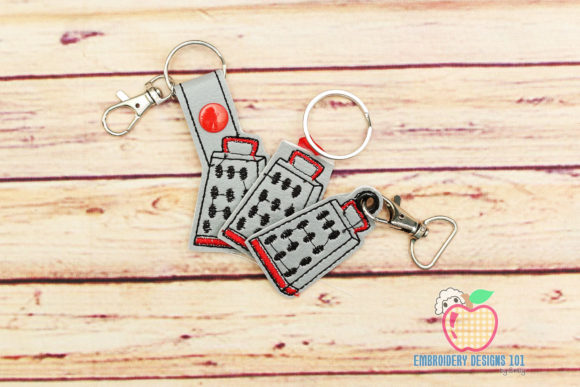
The product description notes that this is an In The Hoop design, including three versions: Snap Tab, Eyelet, and Ribbon. Each design is 4x4 hoop friendly. This versatility is crucial for small business merch strategies. Let us break down how these variations serve different commercial needs.
- Snap Tab Version: Ideal for creating durable accessories that can be attached to bags, aprons, or even used as luggage tags for culinary students. This adds a layer of utility to your custom apparel offerings.
- Eyelet Version: Perfect for keychains. If you run a bakery or a cooking class, these make fantastic low-cost, high-perceived-value gifts for loyal customers. They are small enough to be impulse buys at checkout counters.
- Ribbon Version: This offers a softer aesthetic, suitable for hanging on tote bags or as decorative elements on packaging. It enhances the unboxing experience for online orders.
Beyond key fobs, consider using the core graphic element for other applications. While the file is designed for key fobs, the visual motif can inspire larger apron embroidery projects or tote bag design accents. For a florist who also sells kitchenware, or a café that offers baking workshops, this design bridges the gap between lifestyle and utility.
Technical Considerations for Commercial Embroidery
Before rushing to production, we must address the technical realities of stitching this design. Since each version is 4x4 hoop friendly, you are working within a compact space. This requires careful attention to stitch density and thread colors.
When reviewing any digital embroidery file for commercial use, I always recommend testing it in black and white first. This strips away the distraction of color and reveals the structural integrity of the digitizing. Does the grater have enough definition? Are the handles distinguishable from the grating surface? If the design relies too heavily on subtle shading, it may get lost on textured fabrics.
Furthermore, consider the hoop size constraints. A 4x4 hoop is small. If you are attaching this to a thick material like denim or canvas tote bags, you must use the proper stabilizer. Cut-away stabilizer is often recommended for items that will undergo frequent washing, such as kitchen aprons or daily-use key fobs. Without adequate stabilization, the stitches may pucker, ruining the professional look of the finished product.
Strategic Placement and Brand Consistency
Where you place this design matters as much as the design itself. For cap embroidery, a 4x4 design is quite large for the front panel. You might need to scale it down or use it on the side panel if your machine allows. However, for chest logos on work shirts or small patches on uniforms, the size is appropriate.
Be cautious with curved surfaces. Stitching a detailed object like a grater onto a curved cap brim or a rounded mug cozy can distort the image. Always create a printable mockup or do a test stitch on scrap fabric that mimics the final product’s curvature. This step saves time and materials in the long run.
Consistency is key to brand identity. If your brand uses minimalist line art, ensure this design aligns with that aesthetic. If your brand is colorful and bold, maximize the contrast in your thread colors. Do not let the design become an afterthought; integrate it into your broader suite of design assets.
Practical Designer Notes for Production
To ensure success with the Grater Kitchen Device in the Hoop Keyfob, follow these practical steps before offering it as part of your commercial embroidery catalog:
- Check Licensing: Confirm the commercial licensing terms included with the file. Ensure you are allowed to sell the physical items created from this design.
- Test on Real Fabric: Do not rely solely on digital simulations. Stitch the design on the actual fabric you plan to use, whether it is cotton twill, felt, or polyester.
- Review Spacing: Inspect the spacing between the grater teeth and the handle. Tight spaces can cause thread breaks or bird nests if the needle size is too large.
- Compare Assets: Place this design beside your other logo elements. Does it complement them? Visual consistency builds trust with buyers.
- Verify File Formats: The description mentions it is 4x4 hoop friendly, but always check which specific file formats (PES, DST, JEF, etc.) are included to ensure compatibility with your machine.
Enhancing Customer Trust and Product Value
Ultimately, the value of this design lies in its ability to humanize a brand. In an era of mass-produced goods, a hand-stitched key fob featuring a charming kitchen tool signals care and attention to detail. It tells the customer that your business values craftsmanship. This perception increases the perceived value of your handmade product line.
For Etsy sellers and craft business owners, offering unique items like this can differentiate you from competitors who only offer standard monograms. It shows personality. It invites engagement. Customers are more likely to share photos of unique, useful items on social media, providing free marketing for your shop.
In conclusion, the Grater Kitchen Device in the Hoop Keyfob is more than just a cute kitchen accessory. It is a versatile asset for businesses looking to add personality to their merchandise. By paying attention to technical details like stabilizer choice and stitch density, and by strategically placing the design on appropriate products, you can create high-quality items that enhance your brand identity and delight your customers. Always remember to verify the specific technical details of the file before full-scale production, ensuring that your Embroidery work remains pristine and professional.