Reviewing the Supporting Us Flag Design for Boutique Apparel
As an embroidery designer who has spent years digitizing patterns and managing production for small clothing brands, I approach every new machine embroidery design with a critical eye. It is not just about whether the image looks cute on a screen; it is about how those stitches will behave on fabric, how they hold up after washing, and whether they add genuine value to a custom apparel line. Recently, I explored the Supporting Us Flag Design available on Creative Fabrica, specifically evaluating its potential for boutique sweatshirts and seasonal collections.
This review is written from the perspective of a professional preparing a real product launch. If you are an Etsy seller, a boutique owner, or a creative entrepreneur looking to expand your commercial embroidery offerings, understanding the nuances of this design is crucial before you hoop your first garment.
Visual Personality and Stitching Mood
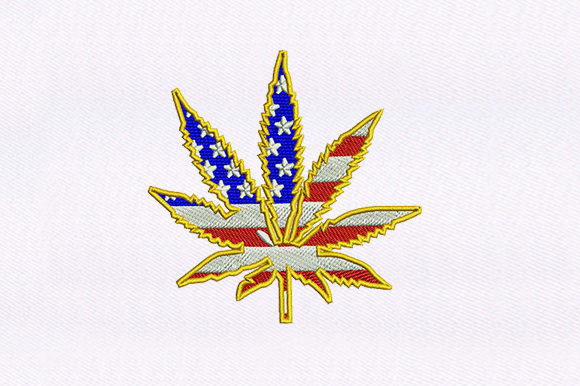
The first impression of the Supporting Us Flag Design is one of bold, patriotic clarity. In the context of Independence Day or general patriotic themes, flag motifs can often feel cliché or overly complex. However, this design strikes a balance between decorative strength and wearability. The visual personality leans towards classic and bold, making it suitable for a wide demographic rather than being strictly feminine or purely rustic.
When examining the digital preview, the stitch definition appears clean. For a digital embroidery file intended for mass appeal, this clarity is essential. It suggests that the design will read well from a distance, which is vital for chest placements on hoodies or back designs on oversized jackets. The mood is supportive and strong, aligning perfectly with customers looking for apparel that expresses solidarity or national pride without being overly aggressive in its aesthetic.
Performance Across Apparel Types
One of the strongest assets of this design is its versatility across different garment types. Here is how I envision it performing in a actual small shop product lineup:
- Sweatshirt Embroidery: On neutral-colored sweatshirts, such as heather grey or oatmeal, the design pops without overwhelming the fabric. The stitch density seems appropriate for mid-weight fleece, providing enough coverage to look premium without causing puckering.
- Hoodie Chest Placement: For a standard left-chest logo placement, the scale appears ideal. It is large enough to be noticed but small enough to remain subtle and professional. This works exceptionally well for boutique brand identity, where understated elegance often sells better than loud graphics.
- Dark Apparel and Contrast: When planning for navy or black garments, thread color contrast becomes critical. This design likely requires bright whites and vibrant reds or blues to stand out. Testing on dark fabrics is non-negotiable to ensure the underlying fabric does not show through sparse stitch areas.
- Tote Bag Design: Beyond apparel, this motif translates beautifully to canvas tote bags. The structural integrity of canvas supports heavier stitching, allowing the design to serve as a durable, everyday accessory that complements cozy seasonal outfits.
For those creating printable mockup images for social media graphics or Etsy listings, the clean lines of this design render sharply in digital previews. This helps in creating high-conversion product photos that highlight the texture and quality of the finished product.
Strategic Placement and Fabric Considerations
While the design is versatile, successful execution depends on careful placement and fabric selection. As an experienced decorator, I advise caution in specific areas:
- Stretchy Fabric and Fleece: Sweatshirts and hoodies are often made from stretchy blends. Using the correct stabilizer is paramount. A cut-away stabilizer is generally recommended for knit fabrics to prevent distortion over time. Always test on scrap fabric that matches the weight and stretch of your final garment.
- Curved Surfaces: Placing this design on the sleeve or near the shoulder seam requires careful hooping. Curved surfaces can cause registration issues if the fabric shifts. Ensure your hoop size accommodates the design with ample margin for stability.
- Ribbed Fabric: Avoid placing dense embroidery directly on ribbed cuffs or collars unless you have advanced experience. The tension can distort the ribbing, leading to an unprofessional finish.
Understanding fabric texture is key. A fluffy, high-pile fleece may swallow smaller details, so ensure the design’s smallest elements are still visible on your chosen material. If the design includes tiny lettering or fine lines, verify that these elements do not get lost in the nap of the fabric.
Enhancing Brand Value and Customer Trust
Incorporating a well-executed Supporting Us Flag Design into your collection can significantly impact your boutique brand perception. High-quality embroidery signals durability and attention to detail, which builds buyer trust. When customers see consistent, clean stitching, they associate that quality with your entire store.
For handmade product sellers, this design offers a way to create visual consistency across a line. Whether used on denim jackets, t-shirts, or cozy loungewear, the recurring motif helps establish brand recognition. It transforms a simple garment into a statement piece, encouraging customer engagement and social sharing. A professional presentation of such designs in your online shop can justify higher price points, as buyers are paying for craftsmanship, not just the blank garment.
Practical Designer Notes for Production
Before launching any product featuring this embroidery file, there are several technical steps you must take to ensure success. The product description lists a wide variety of formats, including DST, PES, JEF, EXP, and many others like 10O, ART, CND, DSB, DSZ, HUS, PCS, PEC, TAP, VIP, VP3, and XXX. This broad compatibility is excellent for users with different machine brands, but it requires diligence.
First, always confirm the specific hoop size requirements for your machine. While the file formats are numerous, the physical dimensions of the design must fit within your machine’s maximum hoop area. Second, review the license terms on Creative Fabrica. Ensure that the license covers commercial use for finished physical goods if you plan to sell the embroidered items. Most Creative Fabrica licenses allow this, but verifying protects your business.
Finally, conduct a thorough test run. Check thread colors against your fabric swatches. Inspect the stitch density to ensure it does not perforate delicate fabrics. Compare different placement options on a dummy garment to find the most flattering position. By treating the Supporting Us Flag Design with professional rigor, you transform a simple digital asset into a high-value component of your apparel collection.
In conclusion, this design offers a solid foundation for patriotic and supportive apparel themes. With careful attention to stabilizer choice, fabric texture, and placement, it can become a staple in your custom apparel offerings, driving both aesthetic appeal and commercial success.