Aiding Pulling Horses: A Designer’s Review
As an embroidery designer who spends countless hours digitizing and testing files, I have learned that not every machine embroidery design is created equal. Some look stunning on a screen but fail under the needle, while others offer robust stitching paths that hold up to commercial use. Recently, I came across Aiding Pulling Horses on Creative Fabrica, and it immediately caught my eye for its rustic charm and potential versatility in the Farm category. After evaluating its structure and visual appeal, I wanted to share an honest review for fellow crafters, Etsy sellers, and small business owners considering this asset for their next project.
First Impressions and Visual Mood
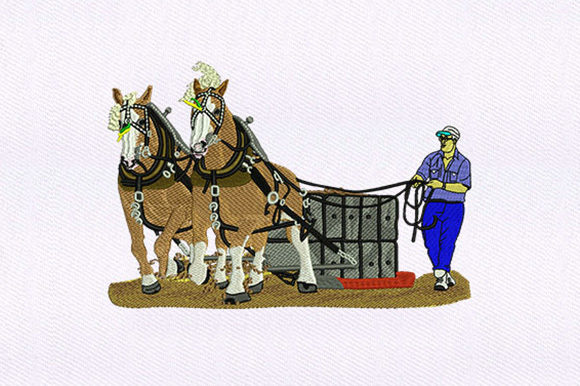
The first thing that strikes you about Aiding Pulling Horses is its narrative quality. It does not just depict an animal; it captures a moment of rural life. The design carries a warm, nostalgic mood that fits perfectly into the current trend of cottagecore and farmhouse decor. For those of us creating handmade products, visual storytelling is key to driving sales. This design feels authentic rather than generic, which is a significant advantage when trying to stand out in a saturated market.
The detail level appears balanced. It avoids the trap of being overly complex, which can lead to thread breaks and long run times, yet it retains enough intricacy to look professional. The stitching personality suggests a mix of texture and flow, likely utilizing a combination of fill stitches for the body of the horses and satin or running stitches for finer details like harnesses or facial features. This balance is crucial for maintaining the integrity of the design across different fabric types.
Real-World Application for Handmade Products
When I evaluate a new embroidery file, I always ask myself: "Where will this sell?" Aiding Pulling Horses is incredibly versatile. Here is how I envision it performing in real-world scenarios:
- Custom Apparel: This design would look exceptional on the back of a denim jacket or the chest of a heavy cotton sweatshirt. The rustic theme pairs well with earth tones like olive green, mustard yellow, or slate blue.
- Tote Bag Design: Canvas tote bags are a staple for craft fairs. Embroidering this scene on a natural canvas creates a high-value item that appeals to eco-conscious buyers who love farm aesthetics.
- Kitchen Towels and Aprons: For the home decor niche, this design fits seamlessly on linen tea towels or bistro aprons. It adds a personalized touch that mass-produced items lack.
- Embroidered Patch: If you scale the design down appropriately, it could serve as a striking iron-on or sew-on patch, appealing to the younger demographic that customizes backpacks and hats.
For Etsy sellers and boutique merchandise creators, the key is presentation. Using this design in a printable mockup before stitching can help you visualize the final product. However, nothing replaces seeing the thread texture in person. The tactile nature of embroidery adds perceived value, allowing you to price your finished product higher than simple printed goods.
Technical Considerations and Stitching Performance
While the aesthetic is promising, technical execution is where many designs fail. Aiding Pulling Horses comes in a wide variety of formats, including DST, PES, JEF, and VIP, ensuring compatibility with most major machine brands. However, as a professional, I advise caution regarding specific machine settings.
Stitch Density and Fabric Choice
If the design uses dense fill stitches, it may cause puckering on lightweight fabrics. I recommend using a cut-away stabilizer for stretchy materials like sweatshirt fleece to ensure the design remains crisp after washing. For woven fabrics like cotton or linen, a tear-away stabilizer might suffice, but always test on scrap fabric first. Check the stitch density in your software before loading the file. If areas look too crowded, consider adjusting the density or using a lighter weight thread to reduce bulk.
Hoop Size and Scaling
Before purchasing, confirm the hoop size requirements. While the product page lists multiple formats, it does not explicitly state the dimensions in this brief overview. You must check the Creative Fabrica product page to ensure the design fits your available hoops. If you plan to use it on a cap, remember that curved surfaces require smaller designs to avoid distortion. A large, detailed scene like this might be better suited for flat items like pillow covers or tote bags unless you have a specialized cap frame and experience with scaling down complex imagery.
Thread Color Contrast
The success of this design relies heavily on thread color choices. Horses and farm scenes often involve subtle shades of brown, tan, and grey. Ensure you have high-quality threads that offer good contrast against your background fabric. On dark fabrics, you may need to use a lighter underlay or adjust the brightness of your thread palette to prevent the details from getting lost.
Enhancing Brand Value and Customer Trust
Incorporating high-quality designs like Aiding Pulling Horses into your portfolio does more than just fill space; it builds brand consistency. When customers see precise, clean stitching with no loose threads or puckering, they trust your craftsmanship. This trust translates into repeat business and positive reviews.
For those selling commercial embroidery products, licensing is critical. Creative Fabrica generally offers a commercial license for their designs, but you must read the specific terms on the product page. Assuming the license permits, you can use this digital embroidery file to create physical goods for sale. This allows you to expand your inventory without the time investment of digitizing from scratch. It is a smart strategy for creative entrepreneurs who want to focus on production and marketing rather than technical digitizing.
Final Verdict for Crafters and Sellers
Aiding Pulling Horses is a strong contender for anyone looking to add rustic, narrative-driven pieces to their shop. Its appeal lies in its emotional connection to farm life and its adaptability across various products. However, success depends on your technical preparation.
- Test First: Always stitch out a sample on the same fabric you intend to use for the final product.
- Check Details: Inspect small details after stitching. If fine lines merge, adjust your tension or needle size.
- Verify Licensing: Confirm the license terms on the Creative Fabrica product page before listing items for sale.
- Photograph Well: Use good lighting to highlight the texture of the stitches in your product photography. This enhances the visual appeal and drives customer engagement.
In conclusion, if you are looking for a machine embroidery design that offers both aesthetic charm and practical utility, Aiding Pulling Horses is worth considering. It fits naturally into the Farm and Embroidery niches, providing a solid foundation for creating memorable, high-quality handmade gifts and apparel. Just remember that the file is only half the battle; your skill in hooping, stabilizing, and thread selection will determine the final quality of your work.