Indian Elephant: A Designer’s Review for Branded Merch
As an embroidery designer who has spent years translating digital concepts into tangible thread, I approach every new machine embroidery design with a critical eye. It is not enough for a file to simply look good on a screen; it must perform under the needle, withstand the wash cycle, and elevate the brand it represents. Today, I am reviewing the Indian Elephant design, a piece categorized under Wild Animals that promises a realistic line embroidery style. For small business owners, boutique operators, and apparel decorators, understanding how this specific asset functions in a commercial context is vital before adding it to your library.
First Impressions and Visual Personality
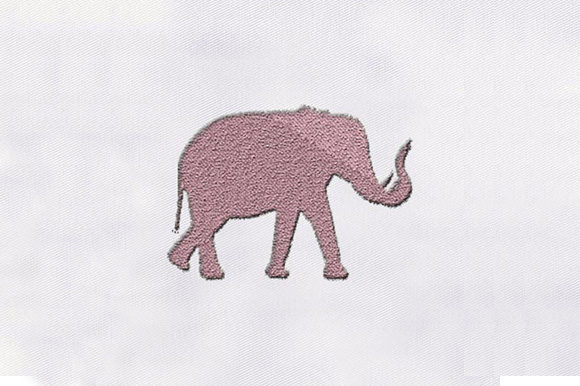
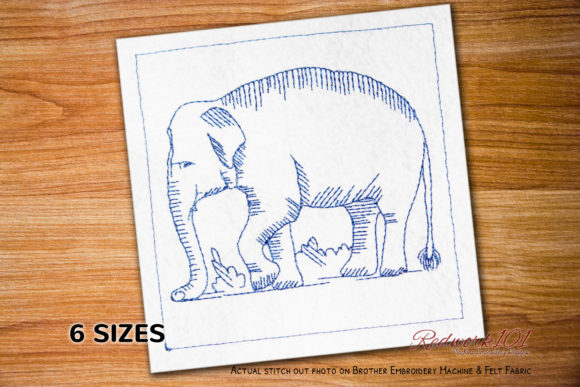
The initial appeal of the Indian Elephant lies in its description as a "realistic line embroidery." In the world of commercial embroidery, line work can be tricky. It often requires precise tension and high-quality thread to avoid looking sparse or messy. However, when executed correctly, line art offers a sophisticated, minimalist aesthetic that differs significantly from the bold, filled shapes typical of sports logos. This design feels elegant and grounded. It does not scream for attention with neon colors but rather invites closer inspection. For brands aiming for a premium, rustic, or nature-inspired identity, this visual personality is a strong asset. It suggests patience, strength, and a connection to the natural world, which can subtly influence customer perception of your handmade product or service.
Strategic Applications for Small Business Merch
When considering where to place the Indian Elephant, we must look beyond simple decoration. For a small café or a local florist, this design could serve as a subtle chest logo accent on staff uniforms. Unlike large back prints, a small, detailed elephant on the left chest area adds a touch of class without overwhelming the garment. It works exceptionally well for apron embroidery, where the texture of the fabric can complement the linear nature of the stitch pattern. Imagine a ceramic studio or a bakery using this motif on heavy canvas aprons; the ruggedness of the material paired with the delicate lines of the elephant creates a compelling contrast.
For Etsy sellers and crafters, this digital embroidery file offers versatility in custom apparel. It is an ideal candidate for tote bags, where the larger surface area allows the details of the walking elephant to breathe. A tote bag design featuring this motif can transform a generic reusable bag into a desirable accessory. Furthermore, it suits the growing market for embroidered patches. An embroidered patch featuring the Indian Elephant can be applied to denim jackets, backpacks, or even used as a unique seal on product packaging. This adaptability makes it a valuable addition to your design assets, allowing you to offer cohesive branding across multiple touchpoints.
Navigating Technical Challenges and Fabric Constraints
While the aesthetic potential is high, the technical execution of the Indian Elephant requires careful planning. The description notes it is a "realistic line embroidery," which implies that the design relies on outline stitches rather than dense satin fills. This has significant implications for stitch density and fabric choice. On textured fabrics like terry cloth or heavy wool, fine lines can get lost or appear broken. Therefore, I recommend testing this design on smooth, tightly woven cotton or poly-blends first. If you intend to use it on darker uniforms, ensure that your thread colors provide sufficient contrast. A dark grey thread on a black shirt will render the design invisible, defeating the purpose of the branding.
Another critical consideration is the scale. Realistic details can become muddy if the design is scaled down too far. If you are creating a small patch or a cap embroidery design, you must verify that the lines remain distinct. Cap fronts are curved and often made of structured material, which can distort intricate line work. Always create a printable mockup and, more importantly, a physical test stitch-out before committing to a full production run. Check the spacing between lines to ensure there is no pulling or puckering, which can ruin the professional look of the finished product.
Enhancing Brand Identity and Customer Trust
Incorporating the Indian Elephant into your merchandise strategy does more than just add an image; it reinforces your brand identity. Consistency is key to building customer trust. If your brand values sustainability, nature, or artisanal quality, this Wild Animals-themed design aligns perfectly with those narratives. When customers see a well-executed, thoughtful design on your small business merch, they perceive a higher level of professionalism. It signals that you care about the details, which translates to perceived value in your primary products or services.
Moreover, unique embroidery sets you apart from competitors who rely on generic print-on-demand services. A stitched elephant has texture, depth, and permanence that printed ink cannot match. This tactile quality enhances buyer engagement, encouraging customers to keep and wear your items longer. For event merch or customer gifts, this design acts as a memorable token of appreciation, strengthening the emotional connection between the consumer and your brand.
Practical Designer Notes for Production
Before you purchase or license this file, there are several practical steps you must take. First, confirm the commercial licensing terms. The product description mentions it comes with "multi," which likely refers to multiple formats or sizes, but you must explicitly verify that commercial use is permitted for selling small business merch. Never assume; always read the license agreement.
Second, check the available hoop size options. Ensure the design fits within the hoops you own or plan to use. If the design is only available in large hoops, it may not be suitable for small patches or cap fronts without significant resizing, which can affect stitch integrity. Third, select the appropriate stabilizer. For line embroidery on stretchy fabrics, a cut-away stabilizer is often necessary to prevent distortion during washing. For woven fabrics, a tear-away might suffice, but testing is crucial.
Finally, compare the Indian Elephant beside your other design assets. Does it complement your existing color palette? Does it fit the visual language of your current collection? If you are creating a series of Wild Animals themed items, ensure this design shares a similar stylistic weight with others to maintain visual consistency. By treating this embroidery file as a strategic business tool rather than just a decorative element, you can maximize its ROI and enhance the overall quality of your branded offerings.