Mandala - Conjoined Quilting: A Designer’s Review
As an embroidery designer who has spent years digitizing patterns for small businesses, I approach every new machine embroidery design with a critical eye. It is not just about aesthetics; it is about functionality, durability, and brand impact. Recently, I evaluated Mandala - Conjoined Quilting, an intricate pattern that promises versatility for both standalone motifs and repeating textures. For boutique owners, Etsy sellers, and apparel decorators, understanding how this specific design translates from a digital file to a physical product is crucial before investing in production.
First Impressions: Visual Personality and Brand Fit
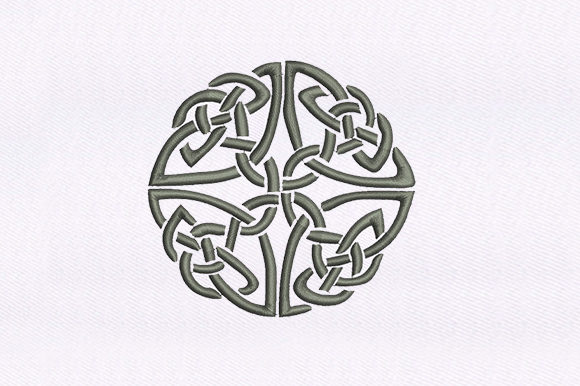
The title Mandala - Conjoined Quilting immediately suggests a blend of spiritual geometry and textile craftsmanship. Upon reviewing the preview images, the design feels elegant, decorative, and deeply rooted in handmade tradition. It does not scream "corporate" or "minimalist modern." Instead, it exudes a warm, artisanal vibe that aligns perfectly with brands focusing on wellness, creativity, organic products, or bespoke services.
For a local bakery, a florist, or a creative studio, this design offers a visual language that speaks of care and detail. It is bold enough to be noticed but intricate enough to invite closer inspection. However, for a tech startup or a high-intensity gym, this might feel too ornate. The key is matching the design’s personality with your brand identity. If your business values heritage, craft, and organic growth, this mandala is a strong contender.
Real-World Applications for Small Business Merch
The true test of any digital embroidery file is its performance on actual merchandise. Here is how Mandala - Conjoined Quilting performs across various commercial applications:
- Embroidered Patches: This is perhaps the strongest use case. The conjoined nature of the pattern allows it to fill a circular or square patch beautifully without looking empty. It creates a premium feel for customer gifts or loyalty rewards.
- Tote Bag Design: Canvas bags benefit from dense, textured designs. This mandala can serve as a central focal point on a tote, adding significant perceived value to a simple cotton bag.
- Apron Embroidery: For cafes and bakeries, staff aprons are walking billboards. Placing this design on the chest pocket or lower hem adds a touch of sophistication to uniforms, elevating the staff’s professional appearance.
- Cap Embroidery: Caution is advised here. While possible, the intricate details may get lost on the curved surface of a cap front unless the size is optimized. It works better as a side-panel accent than a primary front logo.
- Product Packaging Accents: Small branded tags or fabric labels attached to handmade products can feature a scaled-down version of this pattern, reinforcing the handmade quality of the item inside.
Navigating Technical Challenges and Fabric Constraints
While the design is stunning, its intricacy presents specific technical challenges that must be addressed before full-scale production. The description notes that it is an "intricate embroidery pattern," which implies a higher stitch density. This requires careful handling during the stitching process.
When working with textured fabrics like thick canvas or terry cloth, the fine lines of the mandala may sink into the pile. To counteract this, using a cut-away stabilizer is essential to maintain shape and prevent distortion. For dark uniforms, you must ensure high contrast in your thread colors. A light gold or cream thread on navy blue will pop, whereas a dark brown on black will vanish entirely.
Additionally, consider the hoop size required. Since the design can be repeated to make a unique pattern, you need to verify if your machine’s hoop can accommodate the full repeat or if you will be stitching it as a single unit. Always check the specific file details provided by the seller to confirm compatibility with your equipment.
Impact on Brand Identity and Customer Trust
In the world of small business merch, consistency is key. Using a complex design like Mandala - Conjoined Quilting across multiple touchpoints—such as staff uniforms, packaging, and social media visuals—creates a cohesive brand experience. Customers associate high-quality embroidery with professionalism and attention to detail.
When a customer receives a tote bag or wears a shirt with this intricate design, they perceive the brand as established and trustworthy. It moves the product from a generic commodity to a curated handmade product. This emotional connection can drive buyer engagement and encourage social sharing, which is invaluable for organic marketing.
Practical Designer Notes for Production
Before launching this design on your custom apparel line, follow these practical steps to ensure a flawless finished product:
- Test in Black and White: Print or stitch a monochrome version first. This reveals if the design relies too heavily on color for definition. If the structure holds up in one color, it will work in any palette.
- Check Scale for Patches: Stitch a small sample, roughly 2-3 inches in diameter. Ensure the details do not merge into a blob. If they do, you may need to simplify the design or increase the size.
- Review Thread Contrast: Select thread colors that stand out against your base fabric. Avoid low-contrast combinations unless aiming for a subtle, tonal look.
- Inspect Spacing and Density: Look for areas where stitches are too close together, which can cause puckering. Adjust tension settings accordingly.
- Create a Printable Mockup: Use digital tools to place the design on photos of your actual products. This helps visualize the final look before committing to thread and fabric costs.
- Confirm Commercial Licensing: The product description mentions it comes with multiple formats, but always verify the license terms. Ensure you have the right to use the embroidery file for commercial sales, especially if you are producing items for clients.
Final Verdict for Merch Creators
Mandala - Conjoined Quilting is a versatile and visually rich asset for any embroidery designer’s library. It excels in contexts that value artistry and tradition. While it requires careful technical execution due to its intricacy, the payoff is a high-end, professional look that enhances brand recognition.
For Etsy sellers and boutique owners, this design offers a way to differentiate their design assets from generic clipart. By treating it as a core element of your visual identity, you can create memorable merchandise that customers are proud to wear and use. Just remember to test thoroughly, respect the fabric limitations, and always prioritize clarity over complexity when scaling down. With proper preparation, this mandala can become a signature element of your brand’s physical presence.