Reviewing Speciality Vessel Bluework for Craft Fairs
As an embroidery designer who has spent countless weekends standing behind booths at local markets, I have learned that not every machine embroidery design is created equal when it comes to driving sales. Some designs look stunning on a screen but fall flat in person, while others possess an innate charm that stops shoppers in their tracks. Today, I am putting the Speciality Vessel Bluework under the microscope, evaluating it specifically for its potential as a high-converting craft fair product.
The first impression of this design is crucial. The term "Bluework" immediately suggests a classic, perhaps nautical or traditional aesthetic, reminiscent of Delftware or vintage porcelain. When I visualize this embroidery file stitched out, I see a piece that leans toward the elegant and decorative side of the spectrum. It does not scream "funny" or "rustic"; rather, it offers a refined, clean look that appeals to buyers seeking quality and timeless style. For a small shop product, this kind of visual sophistication can significantly elevate the perceived value of the item.
Visual Appeal and Product Placement
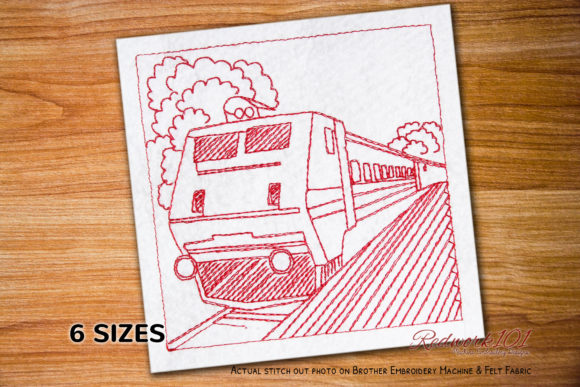
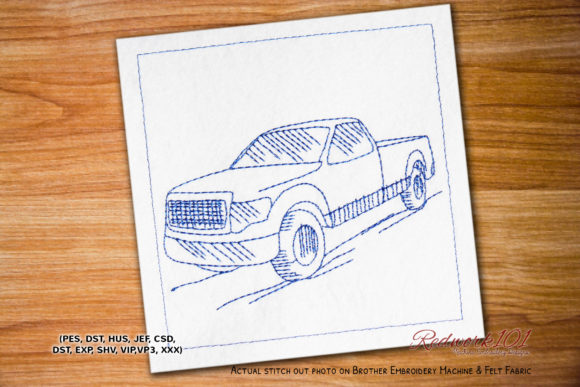
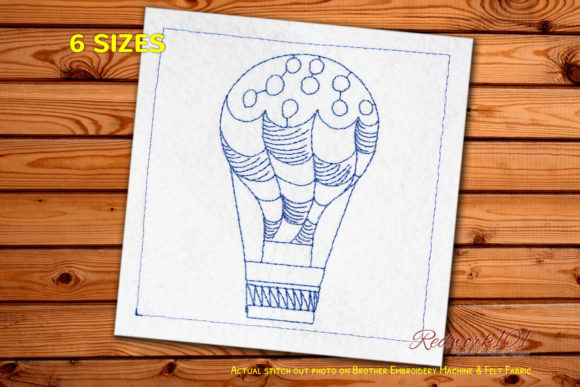
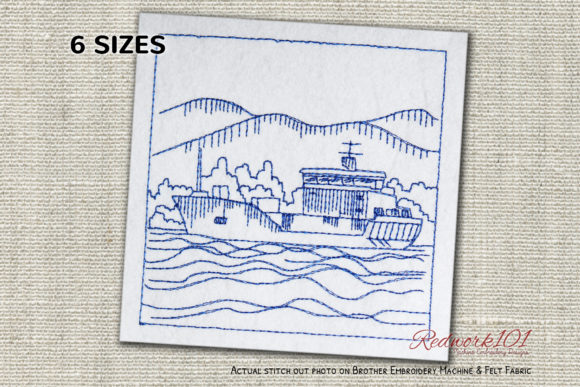
When preparing my table display for a weekend market, I always categorize items by their likelihood to catch the eye. The Speciality Vessel Bluework fits perfectly into the category of items that suggest a slower, more thoughtful pace of life. In the context of Transportation themed goods, one might expect vehicles or maps, but here the "vessel" likely refers to a container or ship, interpreted through a stylized, artistic lens. This ambiguity allows for creative interpretation, making it versatile.
I would prioritize placing this design on white or light-neutral fabrics to let the blue threads pop. A crisp cotton tote bag design featuring this motif would be a standout seller. Shoppers love tote bags that feel like art pieces rather than just utility items. Similarly, apron embroidery using this design transforms a standard kitchen accessory into a heirloom-quality gift. The contrast of deep blues against white linen or cotton canvas creates a striking visual that photographs beautifully for online listings, a critical factor for any Etsy seller looking to expand their digital presence alongside physical sales.
Practical Production Considerations
From a production standpoint, efficiency is key. If I am stitching fifty units for a holiday market, I need a design that is reliable. The description notes that "The Box Stitch shown in picture is optional." This is a vital detail for batch production. If the box stitch adds unnecessary bulk or time without enhancing the aesthetic, I would skip it. Furthermore, the note that "The color of outer Box is different color in most of the designs unless it is part of the design itself, you can skip the color directly" gives me flexibility. I can streamline the stitching process by removing non-essential outline colors, reducing thread changes and production time.
However, we must address stitch density. Bluework styles often rely on fill stitches to create shading and depth. If the density is too high, it can cause puckering, especially on lighter fabrics like tea towels. I always recommend testing the design on scrap fabric first. Check how the thread colors interact with the base material. On a textured tea towel embroidery project, ensure the stitches do not get lost in the weave. A cut-away stabilizer might be necessary for heavier items like tote bags, while a tear-away could suffice for caps or patches.
Selling the Story: From Booth to Online
How does Speciality Vessel Bluework perform across different product types? Let us break it down.
- Tote Bags and Market Bags: This is the strongest candidate. The design acts as a focal point. Center it on the front panel for maximum impact.
- Tea Towels and Kitchen Linens: Place the design in the corner or along the hem. Avoid the center if the towel is frequently folded, as creases may distort the image.
- Embroidered Patches: If the design scales down well, it makes for excellent iron-on patches. However, verify that small details remain clear. Tiny elements can merge together if the hoop size is too small relative to the detail level.
- Caps and Hats: Curved surfaces are tricky. Ensure the design is digitized for cap frames if you plan to use it here. Flat embroidery on a curved brim can warp.
- Pillow Covers: A large-scale version of this design on a square pillow cover creates a luxurious home decor item. Use high-sheen threads to mimic the glaze of porcelain.
For commercial embroidery purposes, consistency is everything. Before listing this as a digital embroidery file or selling finished goods, confirm the licensing terms. Most designers allow commercial use for finished physical products, but restrictions may apply to selling the digital file itself. Always read the license included with your purchase.
Common Pitfalls and How to Avoid Them
One common issue with intricate bluework designs is the loss of clarity on dark fabrics. If you attempt to stitch this on navy or black fabric, the blue threads will vanish. Stick to light backgrounds: white, cream, light gray, or pale pastels. Additionally, be wary of fabric texture. Highly textured materials like burlap or heavy wool may obscure fine details. Smooth cotton, linen, or poly-cotton blends are your best friends here.
Another consideration is the "optional" box stitch. While skipping it saves time, ensure that the remaining design still feels complete. Sometimes, an outline provides necessary definition. Test both versions side-by-side. If the design looks floating or unfinished without the box, keep it. If it looks cleaner without it, discard it. This decision should be based on visual balance, not just speed.
When creating printable mockup assets for your online store, show the design in situ. Do not just show the hoop shot. Show the tote bag being held, the apron being worn, or the towel hanging in a sunny kitchen. Context sells. Buyers need to envision how this handmade product fits into their lives. High-quality photos that highlight the texture of the stitches and the vibrancy of the blue threads will drive engagement.
In conclusion, Speciality Vessel Bluework has strong potential for craft fair success if positioned correctly. It appeals to buyers who appreciate traditional aesthetics with a modern twist. By focusing on high-contrast fabrics, optimizing production by removing unnecessary stitches, and presenting the final finished product in lifestyle contexts, you can turn this single design into a cornerstone of your booth inventory. Remember to check the specific design assets provided, confirm your hoop size compatibility, and always prioritize quality control in your stitch-out tests. With careful execution, this design can become a reliable revenue generator for your embroidery business.